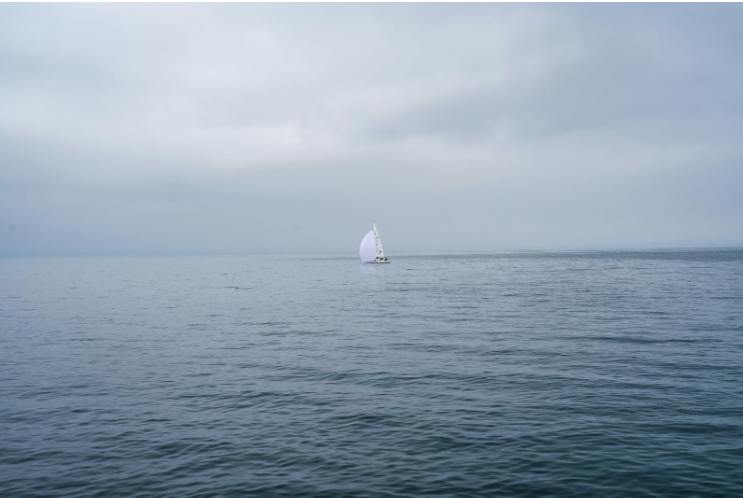
Spending time on the water offers more than just a scenic escape. The rhythmic motion of waves, the smell of salt in the air, and the gentle sound of water lapping against the hull can have a profound impact on mental well-being. Many people find that a few hours—or even a weekend—on a boat can help them reset, recharge, and gain perspective on life’s challenges.
Sea therapy is not simply about recreation. It is a holistic approach to mental health that combines relaxation, connection with nature, and purposeful activity. Whether you are navigating the open ocean or drifting along a calm lake, being on a boat provides a unique environment for clarity and calm.
The Science Behind Sea Therapy
How the Water Affects the Mind
Water has a naturally calming effect on humans. Studies show that proximity to water reduces stress, lowers blood pressure, and promotes relaxation. The gentle sway of a boat enhances these effects, mimicking a natural rocking motion similar to that used to soothe infants.
This rhythmic movement can slow heart rate and encourage deep breathing, creating a physiological sense of calm. Over time, regular exposure to water environments can improve focus, creativity, and overall emotional resilience.
The Role of Nature and Fresh Air
Being outdoors and surrounded by nature is a key component of sea therapy. Sunlight boosts vitamin D levels, which can improve mood and energy, while fresh air increases oxygen intake and promotes mental clarity.
The sensory experience of the open water—seeing the horizon, hearing waves, feeling the breeze—creates a grounding effect. This combination of natural stimuli reduces anxiety and helps the mind release tension.
Engaging the Senses
Sea therapy engages multiple senses at once, which can enhance mindfulness. Observing the motion of water, feeling the texture of boat surfaces, smelling the salty air, and listening to natural sounds draws attention to the present moment.
Focusing on these sensations can interrupt negative thought patterns and create a meditative state. This mindfulness aspect is one of the most powerful benefits of spending time on a boat.
Benefits of Time on a Boat
Reducing Stress
One of the most immediate effects of being on a boat is stress reduction. The combination of gentle motion, natural scenery, and quietude allows the nervous system to relax.
Even short trips can lower cortisol levels, helping you feel calmer and more centered. Over time, repeated exposure can create lasting mental health benefits.
Improving Mental Clarity
The open water offers an environment free from distractions. Without the usual demands of daily life—emails, phones, and responsibilities—your mind can focus more clearly.
This clarity can improve decision-making, creativity, and problem-solving abilities. Many people report feeling mentally refreshed and more organized after time spent on a boat.
Enhancing Emotional Well-Being
Sea therapy can also improve mood and emotional balance. Natural surroundings, physical activity, and social interaction combine to create positive emotional experiences.
Couples, friends, or family members on a boating trip often report stronger connections and a sense of shared joy, further boosting emotional well-being.
Activities That Maximize Sea Therapy
Leisurely Cruising
Simply drifting along a calm waterway provides the benefits of movement and exposure to nature without requiring effort. Leisurely cruising allows you to focus on the horizon and immerse yourself in the environment.
Even short periods of quiet cruising can produce measurable reductions in stress and mental fatigue.
Engaging in Water Sports
For those seeking more activity, kayaking, paddleboarding, or snorkeling adds a physical component to sea therapy. Exercise releases endorphins, which naturally enhance mood, while the water connection amplifies relaxation.
Physical activity also encourages mindfulness, as attention is required for balance and movement, helping to keep the mind engaged and present.
Meditation and Reflection
A boat provides a unique environment for meditation or quiet reflection. The gentle motion and natural surroundings support deep breathing exercises and mental focus.
Taking time to sit quietly, journal, or practice guided meditation while afloat can strengthen mental resilience and provide perspective on life’s challenges.
Designing Your Boat for Maximum Relaxation
Comfortable Seating and Layout
A well arranged seating area contributes to relaxation. Cushioned benches, sun pads, and ergonomic chairs allow you to lounge comfortably while enjoying the view.
Maximizing open space helps reduce feelings of confinement, creating an airy, peaceful environment for sea therapy.
Soft Textiles and Sun Protection
Using soft blankets, pillows, and linens enhances physical comfort. Shade options like canopies or retractable awnings protect against sun exposure, ensuring your time on deck is safe and enjoyable.
Layering textiles and sun protection allows you to stay relaxed without distraction from discomfort or overheating.
Stocking Essential Supplies
Having the right equipment onboard is crucial for a stress free experience. From safety gear to refreshments, ensuring you are prepared lets you focus on relaxation.
Reliable Marine Accessories such as navigation tools, life jackets, and functional storage help maintain organization and peace of mind, preventing small issues from disrupting your therapy time.
Making Sea Therapy a Habit
Short, Frequent Trips
Even brief excursions can be highly beneficial. A half day on the water each week can help maintain mental clarity and reduce ongoing stress.
Consistency allows your mind to associate the boat with relaxation, making it easier to enter a calm state each time you set sail.
Combining Social and Solo Time
Sea therapy works both individually and socially. Solo trips encourage introspection, while outings with friends or family provide shared enjoyment and emotional support.
Balancing both types of experiences can maximize the therapeutic benefits of life on the water.
Planning Mindful Activities
Intentional activities like reading, meditating, or sketching while aboard encourage engagement with your surroundings.
Incorporating purposeful moments into your boating routine strengthens mindfulness and helps you fully benefit from sea therapy.
Integrating Sea Therapy Into Your Lifestyle
Using the Water as a Reset Tool
Scheduling regular boat trips during stressful periods allows you to reset your mental state. The combination of movement, nature, and mindfulness provides a break from daily pressures.
By consciously using sea therapy as a coping strategy, you can maintain mental well-being and increase resilience.
Adapting to All Conditions
Sea therapy is not limited to sunny days. Light rain, overcast skies, or even early morning trips offer unique calming experiences. Adapting to different conditions enhances your appreciation of nature and builds flexibility.
Combining Adventure and Relaxation
Exploring new waters while enjoying the soothing aspects of boating balances excitement with tranquility. Whether discovering hidden coves, anchoring near scenic beaches, or simply drifting in open water, variety enhances the therapeutic effect.
By embracing both adventure and relaxation, you can make your time on a boat a powerful tool for mental reset.