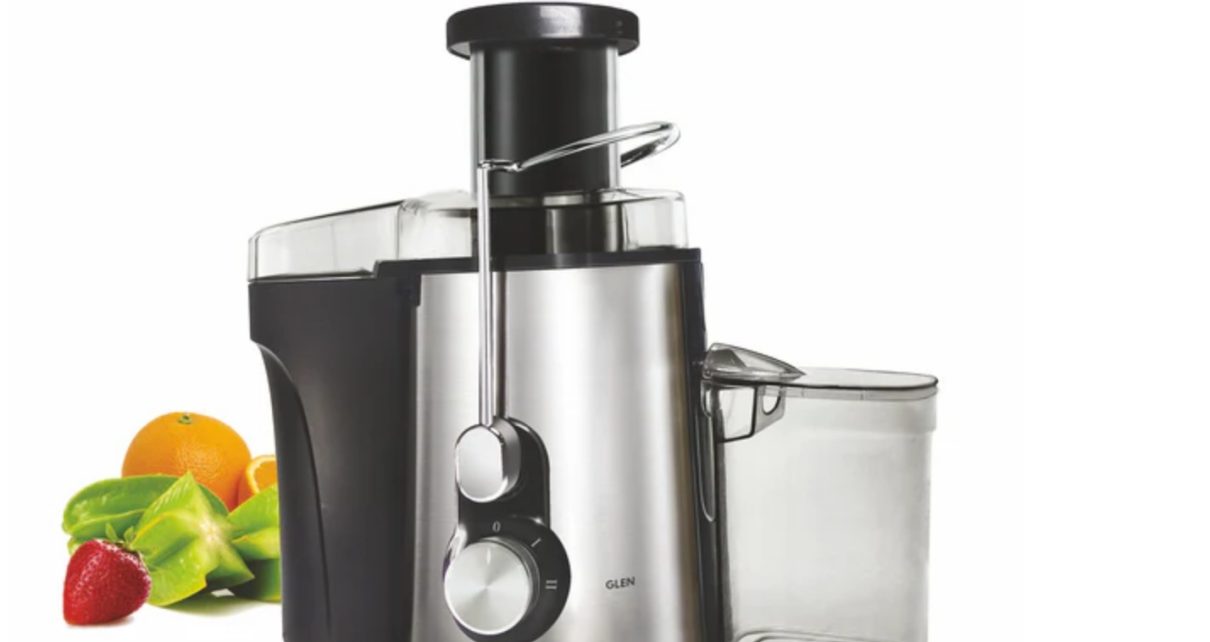
Healthy eating begins when people adopt one fundamental habit of eating more fruits and vegetables with their meals. Most families start this healthy habit by using the kitchen appliances that they have at home. People frequently engage in a juicer versus blender argument. Each device functions differently while making specific nutritional contributions that suit different types of users. You need to understand their operations and nutritional benefits to make the best decision for your future requirements.
Understanding How Juicers Work
Juicers extract liquid from both fruits and vegetables while separating pulp and fiber. The output creates a juice that people can digest easily because its composition contains no solid material. People who need essential nutrients from food prefer juicing because it delivers nutrients in concentrated form without providing the entire weight of fresh produce.
Juicers create various models, which include both centrifugal and slow cold-press systems. Centrifugal systems operate at high speed while providing effective results with tough fruits and vegetables. The slow operation of cold-press systems generates minimal heat, which results in better preservation of micronutrients.
The absence of fiber in juices creates a situation where they fail to deliver any sustained energy that would maintain your contentment. People who depend on juice for their entire nutrition face vitamin deficiencies because juice lacks essential nutrients that are necessary to control blood sugar levels and support digestion.
How Blenders Support Whole Nutrition
Blenders function through various methods to achieve their purposes. The equipment processes whole fruits and vegetables by turning them into concentrated liquid through its complete component breakdown method, which does not extract any fiber. The blender smoothies maintain all their components since they allow the pulp, skin, and seed material to remain untouched throughout the production process.
The body requires energy because its digestion of food consumes energy resources. The solution delivers extended fullness to users while it protects beneficial gut bacteria.
Blenders serve multiple functions because they can process different food items. The machine processes all items, which include fruits and vegetables, nuts and seeds, oats, dairy, and plant-based milk products. The system enables users to create drinks that deliver protein and healthy fats plus carbohydrates in a single serving.
The trade-off results in a change of texture. Some people dislike the thick texture of smoothies because they prefer drinks that are lighter in weight. For certain individuals, raw fiber consumption in large amounts results in bloating problems.
Nutrition Comparison: Juice vs Smoothie
The actual nutritional value of food depends on which appliance meets your specific requirements rather than determining which one performs better.
Juices offer rapid absorption of nutrients together with hydration benefits. It is beneficial for those who require an improvement in their consumption of fruits and vegetables to fulfill their nutritional needs.
Smoothies offer a complete nutritional component to the users. The presence of fiber, protein, and fats in food leads to a delay in the digestion process, which helps in maintaining energy levels in the body.
Blended drinks work better for weight control purposes. If someone wants to detoxify their body through short-term methods, juicing provides an effective solution for consuming vegetables.
Sugar and Blood Sugar Impact
The quantity of sugar present in the product represents an essential detail. The body absorbs basic sugars from homemade fruit juices, which come from freshly pressed juice because the juice manufacturing process removes all fiber elements. After people drink juices that contain high fruit sugar levels, their blood sugar levels experience rapid increases.
Smoothies produce fewer effects because their composition maintains all existing fiber. The combination of seeds and nuts plus yogurt works to stabilize blood sugar levels through its balanced response.
Users can reduce sugar impacts by drinking vegetable-based juices, which require them to choose their drink components carefully. The nutritionists who recommend both methods state that people should use both juicing and blending instead of sticking to one technique.
Cost and Practical Considerations
Appliance purchase costs control customer choice because they determine which products customers will buy. The juicer machine price depends on its technological features, motor strength, and material construction. Basic models offer affordable prices, but advanced cold-press machines demand higher costs and require specialized care.
Blenders provide users with a low-cost entry point while offering multiple applications. The product maintains its design structure, which enables users to clean it easily, while it occupies little space on kitchen counters. Blended recipes enable users to decrease food waste because users can keep the entire peel and pulp instead of throwing away those parts.
The evaluation of juicer machine price requires you to determine how frequently you will operate the machine while considering your upcoming ingredient processing needs. Customers need to invest extra funds when they must handle processing tasks for both leafy greens and hard vegetables regularly.
Time, Cleaning, and Daily Use
People need to establish daily habits. The juicing process requires more time for preparation and cleaning because it has multiple components, including filters and pulp containers. This can affect consistency if you have a busy schedule.
Blending takes place at a quicker speed. Users need to add their ingredients to one container before they can clean their equipment. People who use this method regularly will experience better health results.
People who enjoy structured routines should consider juicers because they match their preference for mindful juicing processes. The blending method offers better speed and flexibility than other options, making it easier for people to continue.
Which One Makes Sense for You?
No one solution works for every situation. The better option depends on lifestyle, health goals, and taste preferences.
Choose juicing for light beverages that deliver immediate nutrients while you experience problems with fiber digestion.
Select blending as your choice when you need complete nutritional value from meal-replacement beverages, which provide extended fullness.
The two home appliances provide different advantages to households because their functions can be used at different times of the day. The morning green juice, together with the afternoon protein-rich smoothie, creates an ideal combination for providing nutritional needs.
Conclusion
The three essential components of human nutrition require people to establish consistent eating patterns while they need to maintain nutritional balance and selecting sustainable food options. The two appliances become effective tools for users who want to sustain a healthy diet when they select suitable food items and create correct dietary expectations. The appliance provides better value when users assess its daily practicality instead of assessing its current trends and product labels.
Popular brands like Glen Appliances develop effective kitchen products that customers need to maintain their daily nutritional routines through their focus on functional design and customer requirements. The design of a durable appliance convinces users to operate it frequently because its value exceeds all standards of excellence in performance.
The correct choice between fresh juice and fiber-rich smoothies will help you establish better eating habits for your daily meals. The Glen Appliances range provides home users with effective options to create sustainable health practices that they can easily implement.